

















Warp knit fabric is made using a knitting process in which yarns are fed lengthwise and formed into loops that run along the fabric’s length. This construction gives warp knits a stable structure that resists runs and stays flat at cut edges. Compared with weft knits, warp knits usually have limited natural stretch unless elastic yarns are introduced.
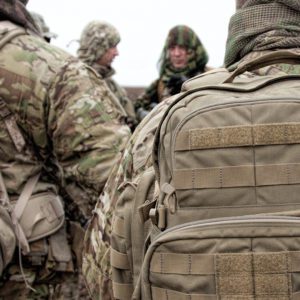
Warp knits are used in activewear, swim, lingerie, automotive interiors, shoes, backpacks, and technical textiles because they balance stretch, strength, and dimensional stability.
They are a reliable choice wherever consistent shape retention and durability matter.
In warp knitting, beams of yarn are fed along the machine, and guide bars move them sideways as needles form loops, creating a zig‑zag pattern along the length of the fabric. This structure makes warp knits much less likely to ladder if they snag, and helps them maintain shape under different conditions.
In warp knitting, yarns are introduced in parallel across the machine width and guided into knitting needles in coordinated paths. This creates a fabric where loops are linked along the length rather than across the width. The result is a knit that holds its dimensions well, resists pulling apart, and shows stable behavior under repeated wear.
Because the knitting process is controlled and consistent, warp knits are often chosen for fabrics that must keep their shape or support performance yarns.
Two key warp knit families are:
- Tricot: Smooth, fine‑gauge fabrics with a clean face and subtle cross‑wise texture on the back, commonly used for lingerie, lining, activewear, and swimwear.
- Raschel: More open or textured fabrics, including meshes, laces, nets, and spacer knits, used in everything from sports mesh to automotive and footwear components.
Modern warp knitting machines can run very wide and very fast, making warp knits attractive for large‑scale apparel, automotive, and industrial programs.
Key features of warp knits:
Dimensional stability: Warp knits resist growth and distortion, helping garments keep their shape and fit through wear and laundering.
Run and snag resistance: The loop structure makes them less likely to ladder when snagged, which is valuable for sports, swim, and technical products.
Controlled stretch: They usually offer moderate, engineered stretch—often more across the width than the length—rather than the very soft, loose stretch of some weft knits.
Performance‑ready: Often made from polyester or nylon, and frequently combined with spandex and functional finishes like moisture management, antimicrobial treatments, chlorine resistance, or UV protection.
Primary Applications of Warp Knit Fabrics
Warp knit fabrics have a number of regular and unusual applications. Some of the regular applications for warp knit fabrics include:
- Apparel: Warp knit fabrics are commonly used in the production of apparel, such as tshirts, sweatshirts, and leggings. They are popular for their smooth, stretchy, and comfortable properties.
- Sports and athletic wear: Warp knit fabrics are often used in the production of sports and athletic wear, such as jerseys, shorts, and socks. They are popular for their moisturewicking, stretchy, and breathable properties.
- Lingerie: Warp knit fabrics are used in the production of lingerie, such as bras and panties, due to their smooth, stretchy, and comfortable properties.
- Medical products: Warp knit fabrics are used in the production of medical products, such as compression garments, bandages, and wound dressings, due to their stretchy, breathable, and supportive properties.
- Home textiles: Warp knit fabrics are used in the production of home textiles, such as blankets, throws, and bed linens, due to their soft, stretchy, and comfortable properties.