














Circular knit fabric are everywhere, from the T-shirt in your drawer to the soft sweatshirt you live in on weekends. If you’re developing products in basics, athleisure, or print-ready blanks, understanding circular knits is a must.
How Circular Knits are Made
Circular knitting uses a round knitting machine that creates a continuous tube instead of a flat sheet. The yarn loops around horizontally (in courses), forming a stretchy, soft knit that feels great against the body. A circular knitting machine uses latch needles arranged in a ring. As the machine rotates, cams lift and lower the needles in sequence, catching yarn fed from cones and forming loops that interlock with previous rows.
The result is a continuous tube of fabric that can be:
- Left tubular, for body-size applications like tees, leggings, or socks, or
- Slit open, producing open-width fabric for cutting or printing.
Fabric properties are influenced by:
- Machine diameter (affects body size and fabric width),
- Needle gauge (how fine or coarse the fabric is),
- Yarn type and tension.
Key Properties of Circular Knit Fabric
Circular knits are a go-to choice when you need comfort, efficient yardage, fast production, and/or tubular or open width options.
Stretch & Recovery – Excellent width-wise stretch; recovery depends on yarn + construction
Softness & Drape – More drape and softness than comparable wovens Versatility Easily customized for surface, texture, and weight
Common Circular Knit Fabric Constructions
- Single Jersey – Lightweight, smooth on one side, textured on the back. Used in tees and tops.
- Rib Knits (1×1, 2×2, etc.) – Alternating knit/purl columns. Stretchy and resilient; great for cuffs and collars.
- Interlock – A double-knit with a smooth, stable finish on both sides.
- Piqué – Textured face with small geometric patterns (think polos).
- French Terry & Brushed Fleece – Loop-back or brushed reverse for warmth and softness, ideal for sweats.
Primary Applications for Circular Knit Fabric
Circular knits might be used for anything that needs comfort, stretch, and good recovery, especially close to the body. Here are some common end uses:
Apparel and fashion
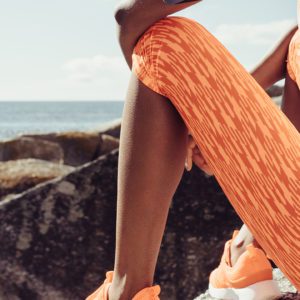
- Leggings, yoga pants, bike shorts, and running tights (often jersey, interlock, or compression circular knits).
- Sweatshirts, hoodies, and joggers made from loopback French terry and fleece knitted on circular machines.
- Underwear, bras, bralettes, base layers, and seamless intimates that rely on soft, elastic circular knits.
- Dresses, skirts, casual tops, and loungewear in single jersey, rib, and double knits.
Performance and medical
- Sportswear and activewear tops, jerseys, training tanks, and compression gear where 2‑way or 4‑way stretch and moisture management are critical.
- Compression sleeves, stockings, braces, and bandages, plus other medical textiles that need controlled pressure and breathability.