
















Interlock knit fabric is a type of double knit where two layers of jersey are knitted together so they “interlock,” creating a fabric that looks the same on both sides. This construction produces a fabric that is soft, opaque, and more stable than single jersey, with less curling at the edges.
Because of that extra stability and coverage, interlock knits are a strong choice for tops, dresses, kids’ apparel, and active basics where you want a clean surface, good body, and comfort all at once.
In an interlock knit, two sets of needles (on opposing needle beds) work together to knit two jersey structures that are locked into each other course by course. The result is a thicker, more compact fabric with a very smooth face and back and a characteristic “snap” when stretched and released.
Compared to single jersey, interlock has:
- More weight and substance at the same thickness, so it hangs nicely and feels reassuringly “solid.”
- Less tendency to curl or twist, which simplifies spreading, cutting, and sewing.
- Slightly lower stretch at equal yarn and spandex content, but often better recovery and dimensional stability in wear and after washing.
Performance characteristics vary with fiber and finish choices. For example, cotton interlock emphasizes softness and breathability, while polyester interlock is often paired with moisture management finishes for athletic and activewear tops.
Key features of Interlock Fabric
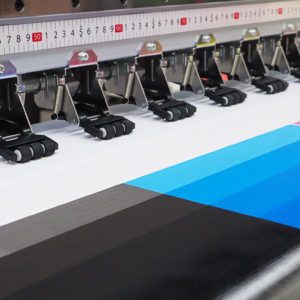
- Smooth, identical faces: Both sides of interlock are clean and uniform, which is excellent for printing, branding, and reversible designs.
- Opacity and coverage: Interlock tends to be more opaque than similar‑weight jersey, making it a good option when show‑through is a concern (kidswear, lighter colors, fitted styles).
- Stability and easy handling: Reduced curling and good dimensional stability make it easier to cut and sew accurately and help finished garments hold their shape.
- Comfortable stretch: Typically offers soft, 2‑way stretch with good recovery; many polyester interlocks also feature functional finishes like moisture management.
Common Applications for Interlock Fabric
- Athleisure and active tops: Performance t‑shirts, training tops, and warm‑up layers that need comfort, wicking, and a clean surface.
- Everyday apparel: Dresses, tunics, casual tops, and lounge sets that benefit from drape plus coverage.
- Children’s apparel and baby products: Onesies, rompers, kids’ tees, and baby blankets, where softness and durability against runs and holes are critical.
- Promo/graphic tees and uniforms: The smooth surface helps where print clarity and a high‑quality hand feel are important.