


















What is the Difference Between 2-Way and 4-Way Stretch Fabric?
2‑way stretch fabrics primarily stretch in one direction, most often across the width of the fabric, which makes them comfortable for everyday pieces like t‑shirts, simple leggings, skirts, and uniforms where some give is needed but a very tight fit is not the goal. In contrast, 4‑way stretch fabrics extend and recover in both width and length, offering true multidirectional mobility that is needed for performance leggings, yoga wear, compression garments, swimwear, and fitted active tops. 4-way stretch fabrics typically have a higher spandex content and more controlled constructions, which is why they can feel more supportive and body‑hugging than 2‑way stretch, and why they are popular when freedom of movement and recovery needed for performance.
Technically, most weft/circular knits have some 2‑way stretch because the loop structure easily extends across the width of the fabric, and can stretch a bit in the length as well. However, in everyday apparel language, 2‑way stretch usually means the fabric stretches significantly in one primary direction (most often the width) and not meaningfully in the other.
4‑way stretch fabrics typically stretch and recover in both width and length in a noticeable, balanced way. This is usually achieved by combining a knit structure with spandex content and careful control of yarn tension in both directions. The higher the spandex content and the tighter the construction, the more power and recovery the fabric can deliver.
Key Features of Stretch Fabrics
2‑way stretch fabric features are:
Significant stretch across the width, more limited along the length.
Good for everyday tops, casual leggings, skirts, and garments that don’t need extreme mobility.
4‑way stretch fabric features are:
High stretch and recovery in both directions.
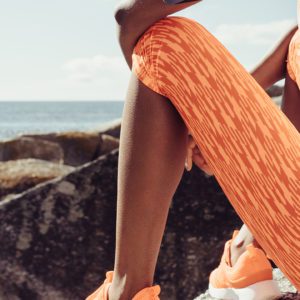
Ideal for garments that must move and recover with the body: yoga, running, dance, swim, and compression wear.
Primary Applications of Stretch Fabrics
2‑way stretch knits are used for everyday t‑shirts, simple leggings, casual dresses, skirts, and uniforms that benefit from comfort but don’t need full multidirectional stretch.
4‑way stretch knits are used for compression leggings, training tights, yoga outfits, fitted performance tops, swimwear, and base layers.