
















Understanding Fabric Weight
Fabric weight isn’t just a number — it plays a major role in how a fabric looks, feels, and performs. Fabric weight is usually measured in grams per square meter (GSM) or ounces per square yard (oz/yd²), which measure the weight in a set area. There are several factors that affect fabric weight, including denier, coating, construction, and finishes. Understanding fabric weight helps you choose the right material for the job, whether it’s for clothing, home goods, or industrial use.
How Does Fabric Weight Affect Fabric Performance?
Fabric weight can affect the drape and structure of materials. Lightweight fabrics like chiffon or voile flow and drape easily – great for dresses and blouses; Heavier fabrics like denim or canvas hold shape and structure, making them perfect for jackets, bags, and upholstery.
Fabric weight can also affect durability and comfort. Heavier fabrics generally resist wear and tear better than lighter options and hold up better in the wash. This makes them ideal for workwear, outerwear, or items requiring frequent washing. Lightweight fabrics tend to be breathable and suitable for warm climates or activewear; heavier fabrics typically offer insulation and warmth, making them better for colder conditions. Some technical fabrics may be lightweight and also provide excellent insulation.
How Does Fabric Weight Affect Fabric Cost?
Fabric weight can influence pricing in several ways:
- Heavier fabrics require more raw material, which may increase costs.
- Lightweight fabrics or fabric made with finer yarns may involve specialized processing to achieve their delicate texture, potentially raising costs as well.
In general, weight drives cost; lighter fabric will cost less and heavier fabric will cost more. However, other factors like quality of fiber, type of weave, and finishing can also affect price; weight alone doesn’t always determine cost.
Fabric Weight Can Influence Dyeing and Printing in Several Ways
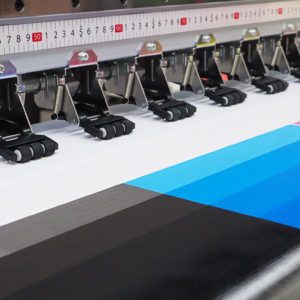
- Heavier fabrics may absorb more dye or ink, often resulting in bolder colors and sharper print images.
- Lightweight fabrics, in general, may not hold as much dye or ink, which can make prints appear softer, less intense, or allow ink to bleed through.
- The amount of dye or ink used is typically calculated based on fabric weight to ensure consistent, repeatable color results.
Finding The Right Fabric Weight for the Right Application Is Essential
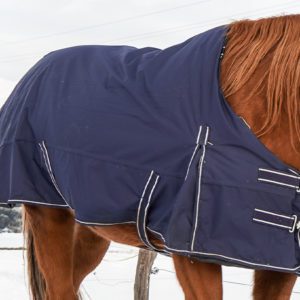
- Fabric Weight for Apparel Applications: Lightweight fabrics are great for casual summer clothes, while medium and heavier fabrics work better for things like jackets, uniforms, and outerwear.
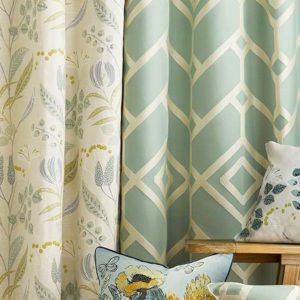
- Fabric Weight for Home Textiles Applications: Upholstery and other home items usually need heavier fabrics to hold their shape and to stand up to everyday use and meet abrasion requirements.
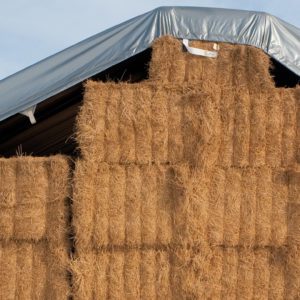
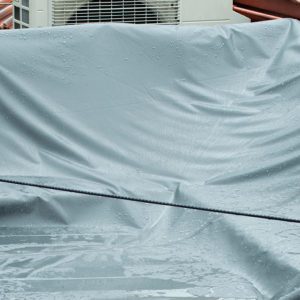
- Fabric Weight for Industrial Use Applications: Heavy-duty fabrics like canvas and tarps require higher weight to handle tough jobs and rough conditions.
How is Fabric Weight Measured?
Fabric weight can be determined using tools such as, a circle cutter combined with a precision scale to calculate GSM or OS/Y. Depending on industry standards and international preferences, fabric weight is generally measured using one of these systems:
Grams per Square Meter (GSM)
This is the most widely used unit globally. GSM measures the weight of a one-square-meter piece of fabric in grams.
- A lightweight fabric might range from 50–150 GSM.
- A medium-weight fabric might range from 150–300 GSM.
- A heavyweight fabric often exceeds 300 GSM
Ounces per Square Yard (oz/yd²)
This measurement is more commonly used in the U.S. and UK and measures the weight of one square yard of fabric in ounces. Depending on your preference, there are several ways to convert between GSM and oz/yd²:
Example 1 – 1 GSM = 0.0295 oz/yd² (Ex. 200 GSM x 0.0295 = 5.9 oz/yd²)
Example 2 – 5.9 oz/yd² ÷ 0.0295 = 200 GSM
Grams or Ounces per Linear Meter (g/m) or Linear Yard (oz/yd)
Grams per linear meter (g/m), grams per linear yard (g/y), or ounces per linear yard (oz/y) measure the weight of fabric per running meter or yard of its full width, and are typically used in manufacturing or wholesale settings to estimate shipping, inventory, or production needs when fabric is sold by length rather than area.
4 Key Factors Effecting Fabric Weight
- Denier: Denier is a measurement based on the weight (in grams) of 9,000 meters of fiber. The higher the number, the thicker and heavier the yarn is. So, a fabric made with 600D yarns will weigh more than one made with 70D yarns, assuming the weave, fiber type, and number of filaments are similar. Denier is used for synthetic fibers. Higher denier = heavier, thicker, and often more durable fabric.
- Natural Fiber Yarn Size: This is the inverse of denier – the higher the yarn size, the thinner the yarn diameter. (Ex. 60/1) A lower number means a higher weight yarn. (Ex. 20/1)
- Coating: Coatings are added layers (like polyurethane or PVC) that give fabric extra properties like waterproofing or UV resistance. These coatings add weight — sometimes increasing the fabric’s total weight by 35% or more, depending on the thickness and type. More / heavier coating = heavier fabric
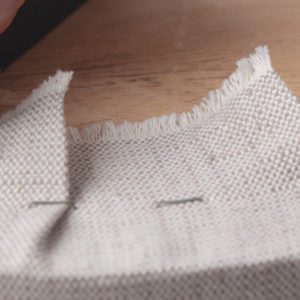
- Fabric Construction: A higher, denser construction will result in an increase in weight, compared to the same fabric with a lower density.