














A PRACTICAL GUIDE TO FINDING THE RIGHT FABRIC FOR BAGS & CASES
With so much on the line for manufacturers when selecting the optimal fabric for bags or cases, it helps to have a guide to help get the process underway. Choosing the wrong fabric can result in higher costs, performance issues, and even damage to brand reputation. The best place to start is by aligning fabric characteristics with the product’s intended end use.
Ask these critical questions before selecting a fabric
· What environment will the product be used in? (Outdoor, travel, tactical, retail, industrial)
· What level of wear and tear is expected?
· Will the fabric be printed on?
· What are the weight and cost constraints?
· Are there compliance or regulatory requirements to consider? (e.g., CPSIA, military standards such as Berry compliance, flame retardancy
DURABILITY IS JUST THE STARTING POINT
TVF Senior Sales Consultant Laura Ballard, who has more than 15 years in textiles and bag and case customers ranging from ultra-durable to promotional in nature, says durability is the number one factor her customers ask about. Digging deeper about the spectrum of uses and goals for the fabric’s intended applications, however, reveals the true textile match for the job.
“I was just working with a new customer who texted me pictures of the bags he wanted to make,” Laura says. “He was leaning toward canvas, but I guided him to a 600D (denier) polyester, because you’re going to have more color options.” – Laura Ballard, TVF Senior Sales Consultant
THE RIGHT FABRIC FOR EVERY BAG & CASE
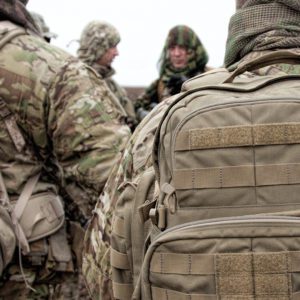
Heavy-Duty and Tactical Bags (Tool bags, military)
Recommended fabrics: 1000D/1680D CORDURA®, 1050D Ballistic Nylon, Magnatuff® 900D Ultra Nylon
Key benefits: abrasion resistance, tear strength, dimensional stability
Watch out for: balancing durability with overall product weight
Everyday Carry Bags & Backpacks (General use, commuters)
Recommended fabrics: 500D CORDURA®, Nylon Pack Cloth, Nylon Oxford, Mini Diamond Ripstop
Key benefits: balance of durability, aesthetics, and weight
Watch out for: colorfast requirements, finish options
Branded & Promotional Bags (Trade show, giveaways)
Recommended fabrics: 300D Polyester Poplin, 600D Magnatuff Polyester, PVC-Backed Polyester
Key benefits: printability, color vibrancy, cost-effectiveness
Watch out for: print method compatibility, CPSIA compliance if kids’ products
Luggage & Travel Cases (Soft-sided, carry on)
Recommended fabrics: 1680D PVC-Backed Polyester, CORDURA® TrueLock
Key benefits: structure, scuff-resistance, retains appearance over time
Watch out for: weight limits for soft-sided luggage
Outdoor & Technical Gear (Dry bags, stuff sacks, pack covers)
Recommended fabrics: 70D Coated Nylon Ripstop, 200D Double Wall Ripstop, PVC-Backed Nylon Taffeta
Key benefits: lightweight performance, packability, waterproofing
Watch out for: coating durability over time, seam sealing needs
Cases & Equipment Bags (Camera, medical, industrial)
Recommended fabrics: Ballistic Nylon, Vinyl Coated Mesh, CORDURA® HP
Key benefits: protection, structure, professional appearance
Watch out for: compatibility with interior linings and padding
PERFORMANCE TRADE-OFFS
Laura’s customers span a broad range of applications, from lightweight polyester bags used in meals‑on‑wheels programs to heavyweight, solution‑dyed polyester for motorcycle bags, often requiring specialized finishes or coatings. Enhanced performance can come with trade‑offs.
- Polyvinyl Chloride (PVC) vs. Polyurethane (PU) coatings — how do they impact performance, flexibility, and compliance?
- When is a DWR finish necessary?
- How will coatings affect printability?
DON’T OVERLOOK SOURCING
Sourcing plays a critical role early in the design process. Key questions to ask:
· Is the fabric in stock or made to order?
· Are there MOQs for custom products?
· How consistent is the fabric across dye lots and production runs?
· Can the material be sampled or tested before committing to production?
· Should you work with a full‑service fabric partner or a commodity supplier?
TVF has 50 years of textile expertise, serving as an extension of business for manufacturers. Connect with Laura and the TVF Sales Team at TVFinc.com.