



















What is Mercerization?
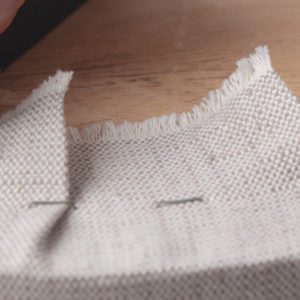
Mercerization is a chemical treatment applied to cotton and other cellulosic fibers or fabrics that permanently creates a greater affinity for dyes and other finishes. It also increases tensile strength, depending on the method used.
How Was the Mercerization Process Developed?
In 1844, John Mercer (1791-1866), developed a process for treating cotton and other cellulosic fibers with caustic soda (aka lye) to improve dyeability. This process was named Mercerization, and patented in 1850.
Another English textile chemist, Horace Lowe (1869-1930) continued Mercer’s work by discovering that keeping the fibers under tension while they were soaked increased the yarn’s luster. Lowe received two patents in 1889 and 1890 for this process.
John Mercer, an English dye and fabric chemist and fabric printer, never went to school. He actually learned how to read and write from a neighbor and taught himself dyeing basics by reading a chemistry textbook. Mercer was also a pioneer of research into antimicrobials, helping to prevent the spread of cholera in 1847 with calcium hypochlorite, which is today used to disinfect public swimming pools and drinking water.
What are Typical Changes After Mercerization?
- A more circular fiber cross section
- Increased luster
- Increased tensile strength (a major factor for technical textile fabrics)
- Improved dyeability
- Increased depth of color (when dyeing)
- Greater uniformity of appearance
- Better dimensional stability
- Some permanent shrinkage (reducing shrinkage later)
What are the Two Types of Mercerization?
There are two types of mercerization. Tension mercerization and slack mercerization. Tension mercerization increases the luster of fibers, increases dye absorption, and the fabric becomes stronger and smoother. Most of our cotton fabrics are mercerized using this method. Slack mercerization is not as lustrous as the tension method. With slack mercerization, elongation and recovery properties improve. Slack mercerization is used in stretch garments and fabric bandages, which need to conform to body shapes.