














What is Poplin Fabric?
Poplin fabric balances structure with softness, making it a practical choice across industries. Poplin’s plain weave construction, smooth finish, and adaptability to different fibers give it a broad range of applications, from apparel and home furnishings to large-format printing and industrial textiles. The fiber content and finish determine how the fabric performs, whether the goal is breathability, printability, wrinkle resistance, or added protection.
How is Poplin Fabric Made?
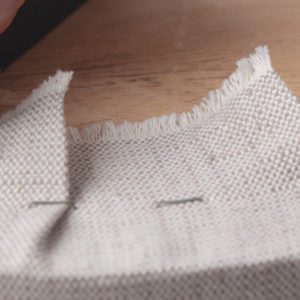
Poplin is woven using a plain weave, where the yarns alternate over and under each other in a consistent, tight pattern. What sets poplin apart is the yarn selection. With some synthetics, the warp yarns may be finer, while the weft yarns may be slightly thicker. This may create a subtle horizontal rib on the surface and can give the fabric its signature smoothness.
The result is a material that is tightly woven, light to medium in weight, and structured without being stiff. Poplin has a clean drape, holds its shape well, and resists fraying more than looser weaves. Its balanced feel makes it just as suitable for apparel as it is for print graphics or home décor.
Poplin refers to the weave, not the fiber content. So it can be made from a few different materials, depending on the application:
- Cotton Poplin is the most common. It’s breathable, soft, and naturally comfortable. Great for shirts, dresses, and home décor.
- Polyester or Blended Poplins (like cotton-poly) are wrinkle-resistant and tough, though not as breathable. These are common in uniforms, displays, and textiles that need to hold up under pressure.
What are Key Features and Applications of Poplin Fabric?
Poplin’s construction supports a variety of performance needs. Its smooth surface makes it excellent for printing and dyeing, while the tight weave provides durability and dimensional stability. Depending on the fiber used, poplin can be soft and breathable, or more technical and wrinkle-resistant.
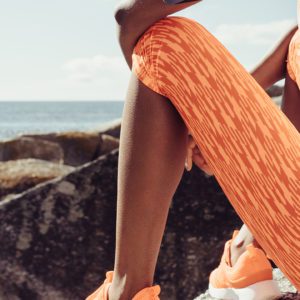
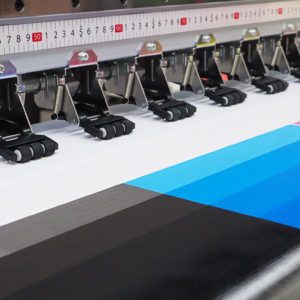
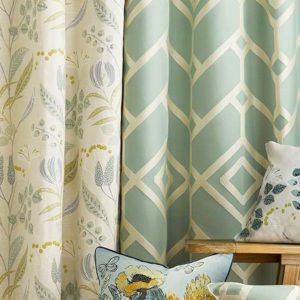
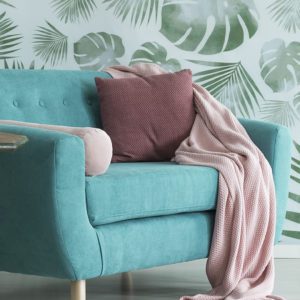
Cotton poplin is often chosen for apparel where comfort and airflow matter, such as shirting, blouses, and dresses. Polyester poplin, especially when engineered for digital printing, is used for banners, backdrops, and trade show graphics. Cotton-polyester blends offer a practical balance of breathability and low-maintenance care, making them popular for uniforms and commercial interiors. Poplin is also commonly used in home textiles like table linens, curtain linings, and decorative pillows.
Because of its clean finish and tight structure, poplin works well in products that require a crisp look and consistent texture. It can be found in structured garments, soft signage, hospitality textiles, and even industrial applications where strength and finish are both priorities.
Top 6 Features of Poplin Fabric
- Soft, smooth texture that feels nice against the skin
- Durable construction that resists fraying and tearing
- Breathability, especially in cotton versions, for comfort in warm weather
- Shape retention, so garments stay looking polished
- Some wrinkle resistance (in poly blends) for a crisp look
- Good print and dye capability, allowing for sharp graphics and rich color
Poplin is everywhere once you start looking. In apparel, you’ll find it in:
- Shirts and blouses
- Dresses and skirts
- Lightweight pants and shorts
- Uniforms for work, school, and service industries
Poplin is a popular choice for home and utility textiles, you’ll find it in:
- Tablecloths and napkins
- Curtains and light upholstery
- Quilting and baby bedding
- Promotional displays, banners, and trade show booths